Professional Golf Coaching: What to Expect
- Scratch Indoor Golf and Academy
- Feb 9
- 5 min read
Golf is a sport that demands precision, patience, and practice. Whether you are a beginner or an experienced player, professional golf coaching can elevate your game to new heights. Understanding what to expect from professional golf coaching helps you prepare mentally and physically for the journey ahead. This article will guide you through the key aspects of professional golf coaching, what it involves, and how it can benefit your performance on the course.
The Basics of Professional Golf Coaching
Professional golf coaching is designed to improve your skills through personalized instruction and practice. Coaches analyze your swing, stance, grip, and overall technique to identify areas for improvement. The coaching process often begins with an assessment session where your current skill level is evaluated.
During this initial phase, expect your coach to use video analysis and launch monitors to capture detailed data about your swing speed, ball trajectory, and impact. This technology provides objective feedback that helps pinpoint specific weaknesses and strengths.
Key components of professional golf coaching include:
Swing mechanics improvement
Short game techniques (putting, chipping, pitching)
Course management strategies
Mental game coaching
Physical fitness and flexibility training
By focusing on these areas, coaches help players develop a well-rounded game that can adapt to different course conditions and competitive situations.
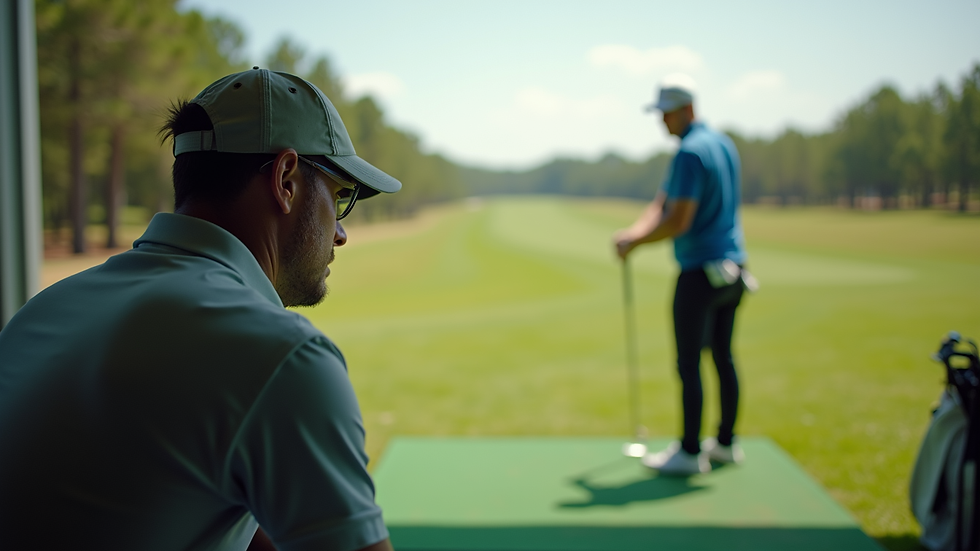
What to Expect During Professional Golf Coaching Sessions
When you sign up for professional golf coaching, sessions are typically structured to maximize learning and practice efficiency. A typical session might last between 45 minutes to an hour, depending on your goals and the coach’s approach.
Here’s what you can expect during a session:
Warm-up and Stretching: Coaches often start with warm-up exercises to prepare your body and prevent injury. Flexibility and mobility drills are common.
Skill Drills: You will work on specific drills tailored to your needs. For example, if your putting is weak, expect focused putting drills.
Video Feedback: Many coaches use video playback to show you your swing in slow motion. This visual feedback is crucial for understanding what adjustments are needed.
Practice with Purpose: Instead of mindless repetition, coaches emphasize practicing with clear goals and measurable outcomes.
Homework Assignments: Coaches may assign practice routines or mental exercises to work on between sessions.
Professional golf coaching is not just about hitting balls; it’s about developing a strategic approach to the game. You will learn how to analyze your performance and make adjustments on the fly.

What is the 70/30 Rule in Golf?
The 70/30 rule is a popular concept in golf coaching that helps players focus their practice time effectively. It suggests that 70% of your practice should be dedicated to the short game, including putting, chipping, and pitching, while 30% should focus on the long game, such as driving and fairway shots.
This rule is based on the fact that most strokes in a round of golf occur within 100 yards of the green. Improving your short game can significantly lower your scores because it helps you save strokes around the green.
How to apply the 70/30 rule in your training:
Spend more time practicing putting drills, such as distance control and reading greens.
Work on chipping techniques to get the ball close to the hole from various lies.
Dedicate less but focused time on driving and long iron shots to maintain consistency.
Use professional golf coaching sessions to refine your short game skills with expert guidance.
By following this rule, you ensure that your practice time is efficient and aligned with the realities of the game.
The Role of Mental Coaching in Golf
Golf is as much a mental game as it is physical. Many professional golf coaches incorporate mental coaching into their programs to help players develop focus, confidence, and resilience.
Mental coaching techniques include:
Visualization exercises to imagine successful shots
Breathing techniques to manage stress and anxiety
Goal setting to maintain motivation and track progress
Developing routines to maintain consistency under pressure
A strong mental game can help you recover from bad shots and maintain composure during competitive rounds. Coaches often work with players to identify mental barriers and develop strategies to overcome them.
Physical Fitness and Its Impact on Golf Performance
Physical fitness plays a crucial role in golf performance. Flexibility, strength, and endurance all contribute to a more powerful and consistent swing. Many professional golf coaching programs include fitness assessments and tailored workout plans.
Fitness components important for golfers:
Core strength for stability and power
Flexibility to achieve a full range of motion
Balance and coordination for better control
Cardiovascular fitness for endurance during long rounds
Incorporating fitness training into your golf routine can reduce the risk of injury and improve your overall game. Coaches may collaborate with fitness trainers to create comprehensive programs that support your golf goals.
How to Choose the Right Professional Golf Coach
Selecting the right coach is essential for your development. Here are some tips to help you find a coach who fits your needs:
Check credentials: Look for certifications from recognized golf organizations.
Experience: Choose a coach with experience working with players at your skill level.
Teaching style: Find a coach whose communication style matches your learning preferences.
Technology use: Coaches who use video analysis and launch monitors can provide more precise feedback.
Reviews and recommendations: Ask other golfers or read online reviews to gauge the coach’s reputation.
Meeting with a potential coach for a trial session can help you decide if their approach suits you.
Maximizing Your Progress Between Coaching Sessions
To get the most out of professional golf coaching, your work does not stop when the session ends. Here are some tips to maximize your progress:
Practice regularly: Consistency is key to improvement.
Follow your coach’s homework: Complete drills and exercises assigned between sessions.
Keep a practice journal: Track what you worked on and your progress.
Stay patient: Improvement takes time and effort.
Play rounds with a purpose: Apply what you learn in real game situations.
By staying committed and focused, you will see steady improvement in your golf skills.
Embracing the Journey of Golf Improvement
Professional golf coaching is a valuable investment in your game. It offers structured guidance, expert feedback, and personalized training plans that can transform your performance. Whether you want to lower your handicap, compete in tournaments, or simply enjoy the game more, professional golf coaching provides the tools and support you need.
Remember, golf improvement is a journey, not a destination. Embrace the process, stay open to learning, and enjoy every step on the path to becoming a better golfer.
For those interested in taking their game to the next level, exploring options for professional golf training can be the first step toward achieving your goals.


Comments